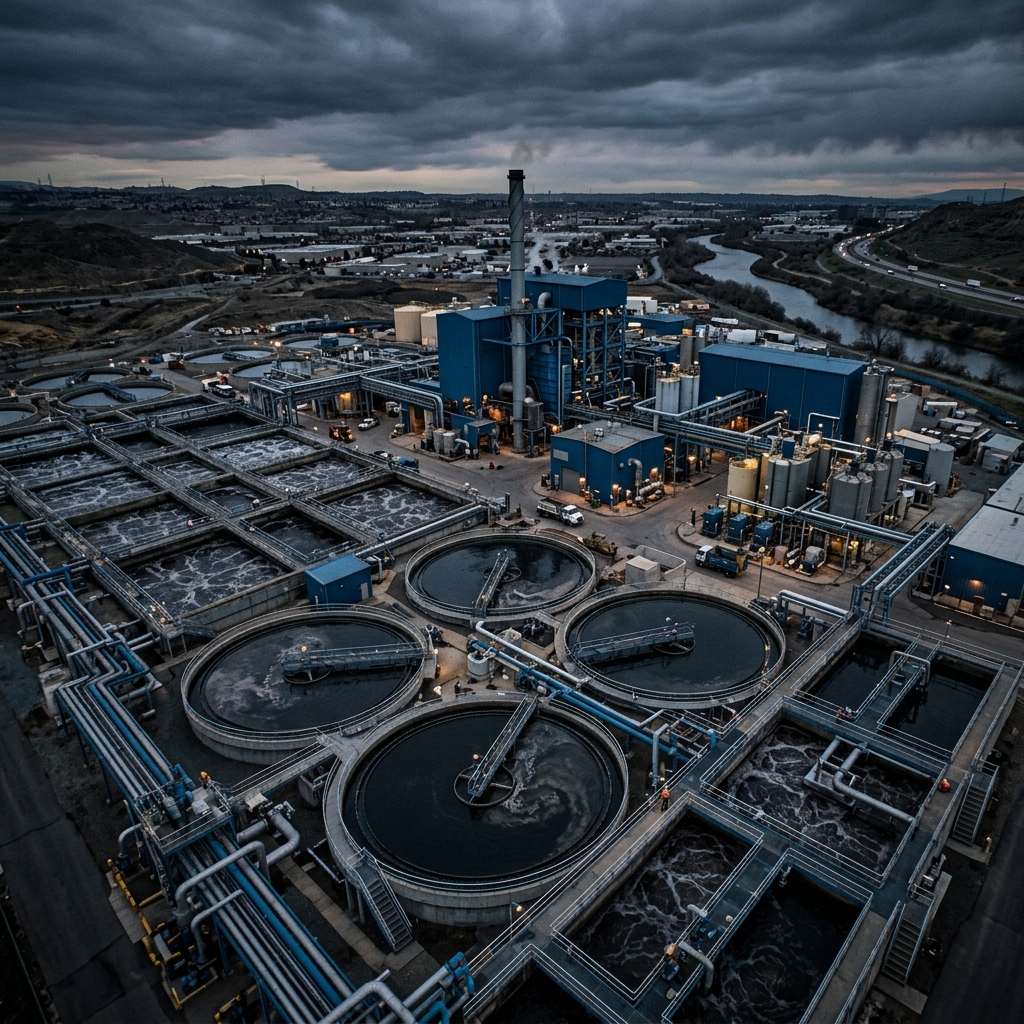
Cascade Aerators
Cascade aerators maximize oxygen transfer while stripping dissolved gases, delivering stable raw water quality before downstream treatment.
Key Features
- Multi-step tray configuration for high oxygen transfer
- Corrosion-resistant civil and fabricated options
- Low power requirement with gravity-based operation
Applications
- Surface water intake works
- Iron and manganese oxidation
- Pre-oxidation before filtration trains
Benefits
- Improves process stability of downstream units
- Reduces taste and odor complaints
- Lowers chemical demand in oxidation stages
Specifications
- Hydraulic loading: 20-250 m3/hr per unit
- Tray stages: 4-8 levels
- Construction: RCC / FRP / SS contact surfaces
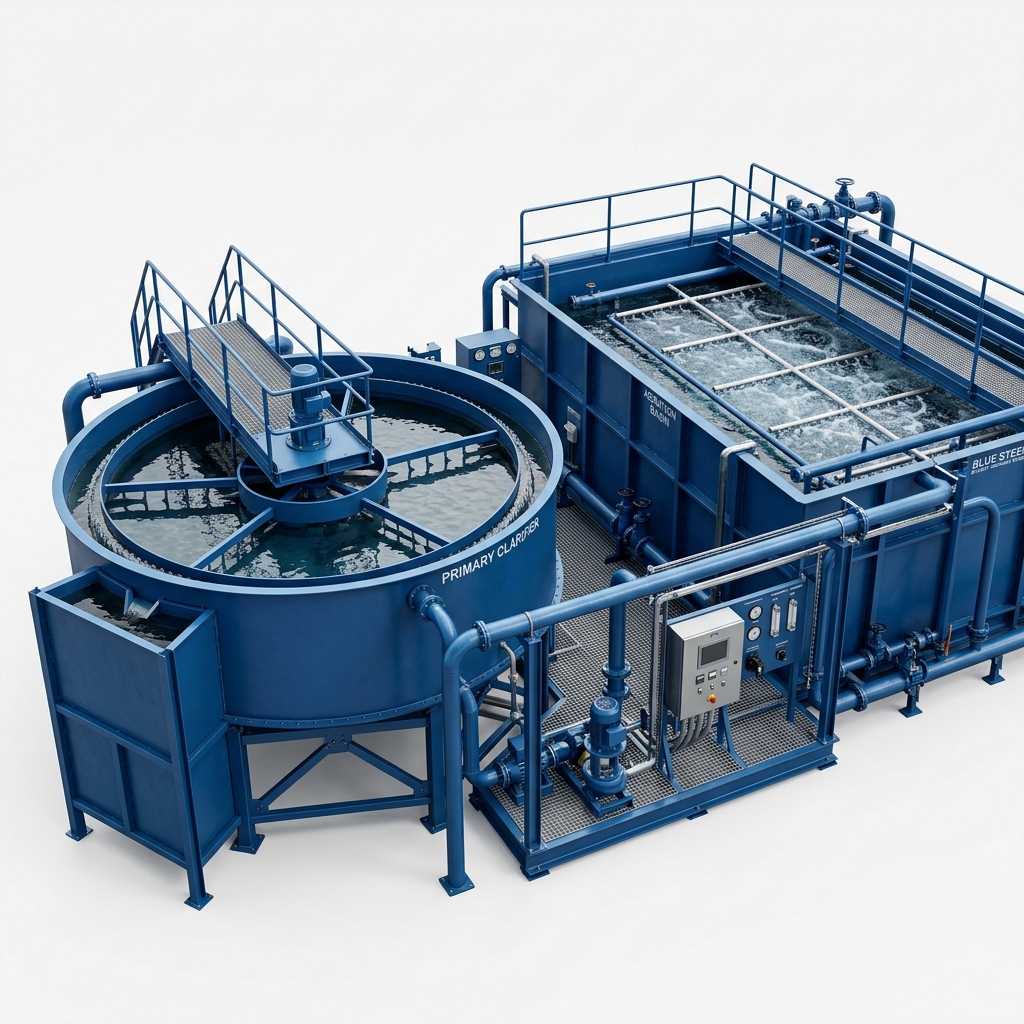
Flash Mixers
Flash mixers provide instantaneous chemical dispersion to establish rapid coagulation and consistent particle destabilization.
Key Features
- High-gradient impeller design
- VFD-compatible drive assembly
- Compact footprint with easy maintenance access
Applications
- Coagulation basins in WTPs
- Industrial process water conditioning
- Primary treatment in ETP/STP plants
Benefits
- Uniform dosing performance at variable flow
- Reduced coagulant wastage
- Improved floc quality for clarification
Specifications
- Detention time: 20-90 seconds
- Velocity gradient (G): 700-1000 s-1
- Motor rating: 0.75-15 kW
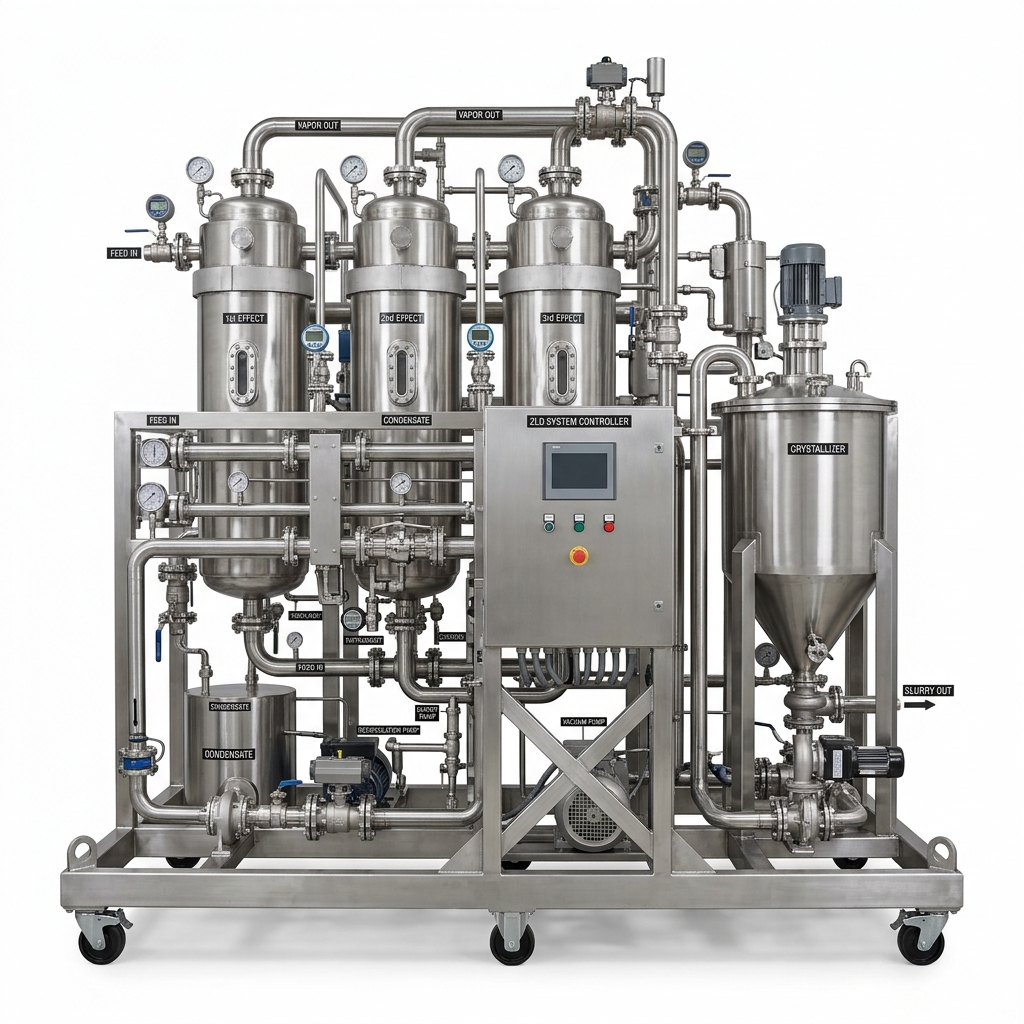
Flocculators
Engineered flocculators ensure controlled mixing energy to build dense and settleable flocs for high clarification efficiency.
Key Features
- Compartmentalized staged mixing geometry
- Paddle or turbine configurations
- Robust shafting and bearing assemblies
Applications
- Municipal water treatment
- Cooling tower makeup treatment
- High-turbidity raw water treatment
Benefits
- Higher solids capture in clarifiers
- Lower carryover to filters
- Consistent operation through seasonal variation
Specifications
- Detention time: 15-45 minutes
- Mixing speed: 0.5-3 rpm (paddle type)
- Material options: MS epoxy / SS304 / SS316
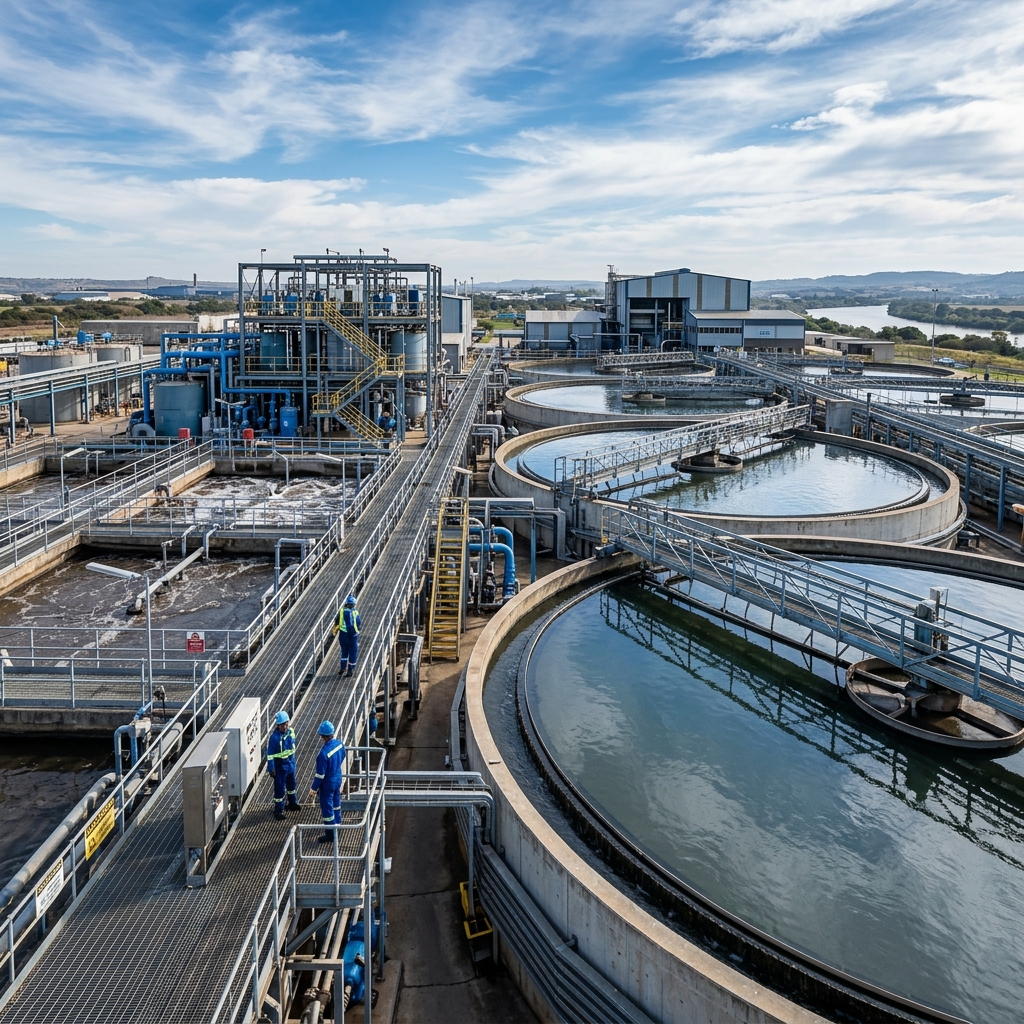
Clarifiers
Clarifiers separate suspended solids through optimized hydraulic distribution and sludge collection mechanisms.
Key Features
- Center feed well for uniform flow
- Peripheral launder with scum removal system
- Heavy-duty sludge scraper mechanism
Applications
- Potable water treatment plants
- Primary wastewater treatment
- Process water recycle systems
Benefits
- Lower effluent turbidity
- Reliable sludge thickening behavior
- Reduced downstream membrane/filer fouling
Specifications
- Surface overflow rate: 20-40 m3/m2/day
- Diameter range: 3-35 m
- Scraper speed: 0.5-2 rpm
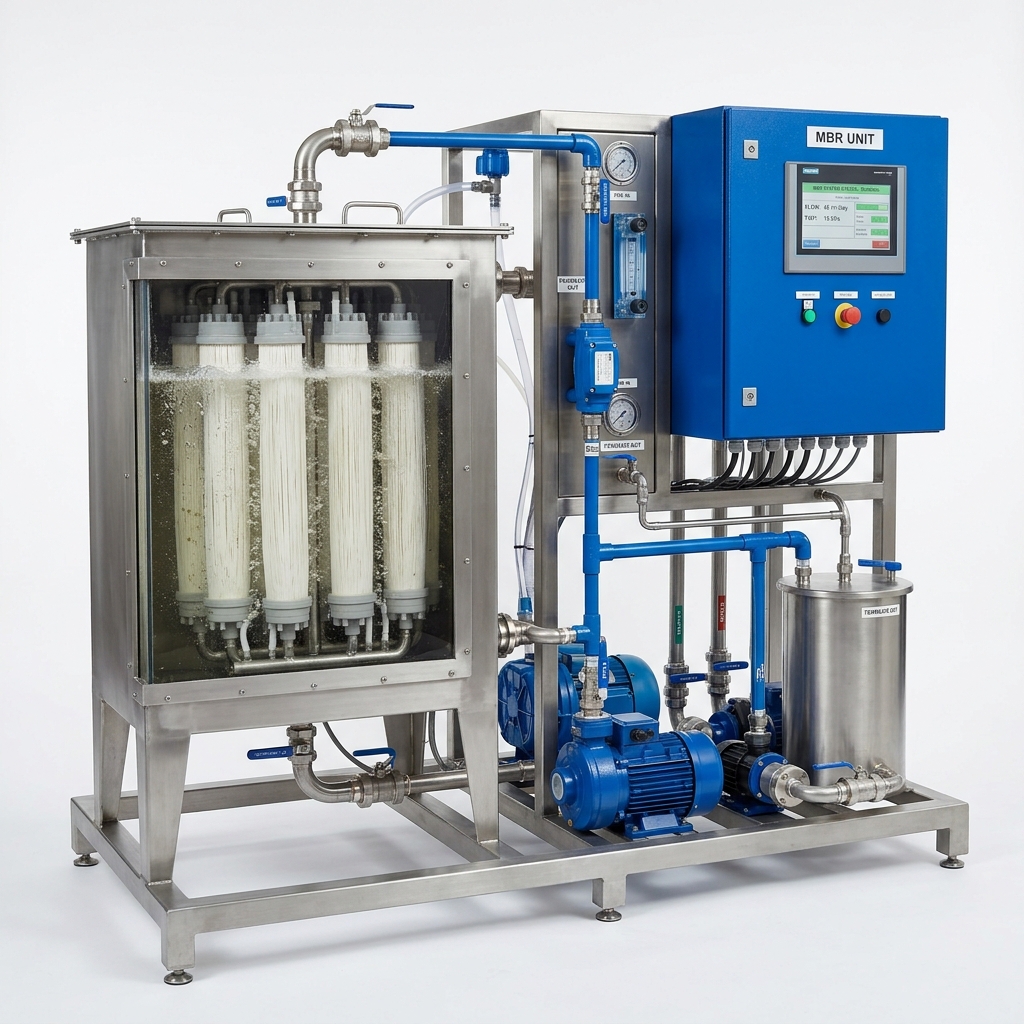
Parallel Plate Separators
Parallel plate separators provide high-rate settling in compact footprints by increasing effective settling area.
Key Features
- Optimized plate spacing and inclination
- Modular packs for easy retrofit
- Low pressure drop hydraulic profile
Applications
- Oil and suspended solids removal
- Industrial pretreatment skids
- Space-constrained treatment upgrades
Benefits
- Significant footprint reduction
- Improved solids separation at peak flow
- Lower civil construction cost
Specifications
- Plate angle: 55-60 degrees
- Plate spacing: 40-80 mm
- Hydraulic loading: up to 8 m3/m2/hr
Tube Settlers
Tube settlers improve sedimentation throughput using multiple inclined channels that accelerate particle settling.
Key Features
- Hexagonal PVC/PP modules
- UV-stabilized and chemically resistant media
- Simple support frame integration
Applications
- Clarifier capacity enhancement
- Raw water pretreatment
- Tertiary suspended solids polishing
Benefits
- Higher solids removal in existing basins
- Lower detention time requirement
- Minimal maintenance complexity
Specifications
- Channel length: 750-1200 mm
- Hydraulic loading: 5-10 m3/m2/hr
- Operating temperature: up to 55 C
Clariflocculators and HRSCR
Integrated clariflocculators and high-rate solids contact reactors combine coagulation, flocculation, and settling in one efficient process unit.
Key Features
- Integrated zone hydraulics for process continuity
- Mechanical and hydraulic sludge recirculation options
- Custom design for variable influent quality
Applications
- Large capacity municipal WTP projects
- Industrial water reuse systems
- High-variation raw water treatment
Benefits
- Single-unit process consolidation
- Improved performance during shock loads
- Lower total lifecycle cost
Specifications
- Capacity range: 500-50,000 m3/day
- Detention time: 45-120 minutes
- Drive mechanism: center / bridge mounted
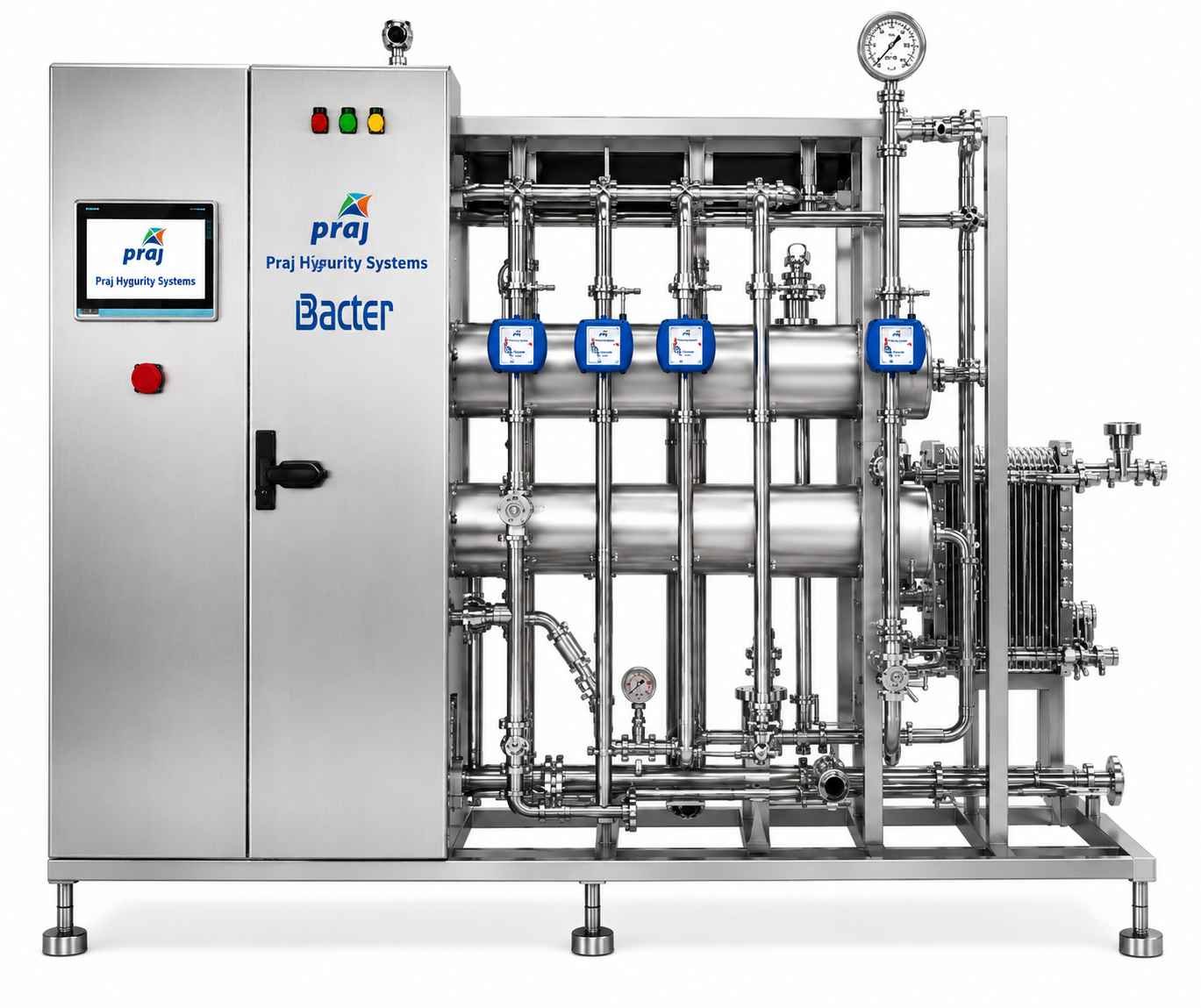
Pressure Sand Filters
Pressure sand filters remove residual suspended matter through graded media depth filtration in pressurized vessels.
Key Features
- Uniform underdrain and backwash distribution
- Multiport/manual/automatic valve options
- Skid-mounted package variants available
Applications
- Cooling tower side stream filtration
- RO pretreatment
- Utility and process water polishing
Benefits
- Consistent low turbidity outlet
- Longer downstream equipment life
- High reliability and simple operation
Specifications
- Filtration rate: 8-15 m3/m2/hr
- Backwash rate: 15-24 m3/m2/hr
- Vessel material: MSRL / FRP / SS
Dual Media Filters
Dual media filters combine anthracite and silica media for superior solids loading and deeper particle capture.
Key Features
- Optimized media gradation profile
- Extended filter run capability
- Automated PLC sequencing compatibility
Applications
- High-turbidity clarifier outlet filtration
- Desalination pretreatment trains
- Industrial recycle water systems
Benefits
- Lower pressure drop rise during operation
- Reduced backwash frequency
- Improved outlet water clarity
Specifications
- Media depth: 900-1400 mm
- Filtration rate: 10-20 m3/m2/hr
- Design pressure: up to 7 kg/cm2
Iron Removal Systems
Iron removal systems oxidize and filter dissolved ferrous iron to meet process and potable water quality standards.
Key Features
- Aeration-plus-filtration process train
- Catalytic media compatibility
- Plug-and-play package skid options
Applications
- Groundwater treatment plants
- Rural and township water schemes
- Industrial borewell conditioning
Benefits
- Eliminates staining and metallic taste issues
- Protects pipelines and valves from deposition
- Improves downstream disinfection efficacy
Specifications
- Inlet Fe handling: up to 15 mg/L (design dependent)
- Filtration velocity: 8-12 m3/m2/hr
- Backwash frequency: daily/quality based
Activated Carbon Filters
Activated carbon filters adsorb organics, chlorine, and odor-causing compounds for premium water polishing.
Key Features
- High iodine value carbon media options
- Uniform contact time and hydraulic distribution
- Easy media replacement design
Applications
- Dechlorination before RO membranes
- Taste and odor control
- COD reduction in tertiary polishing
Benefits
- Improved water aesthetics and quality
- Extends membrane and resin life
- Supports compliance with process standards
Specifications
- Empty bed contact time: 8-20 minutes
- Filtration rate: 6-12 m3/m2/hr
- Carbon type: GAC coconut/shell based
Micro Filtration Plant
Micro filtration plants provide membrane-based barrier treatment for suspended solids, colloids, and microbial reduction.
Key Features
- Hollow fiber or flat-sheet membrane options
- Automated backwash and integrity monitoring
- Scalable modular skid architecture
Applications
- Advanced pretreatment before RO/NF
- Municipal tertiary treatment reuse
- Industrial high-purity feed preparation
Benefits
- Consistently low SDI and turbidity
- Reduced downstream membrane fouling
- High automation with low operator intervention
Specifications
- Nominal pore size: 0.1-0.2 micron
- Recovery: 90-96 percent (application dependent)
- Operating pressure: 1-3 bar

